
 DEUTSCH
 ENGLISH
 FRANÇAIS
 NEDERLANDS
 ITALIANO

Dust and sweat
The violin is exposed to various external influences that make instrument care essential. During practice or concerts, sweat can accumulate on the chin rest, neck, and fingerboard. Additionally, rosin dust settles on the violin's varnish and adheres to the strings.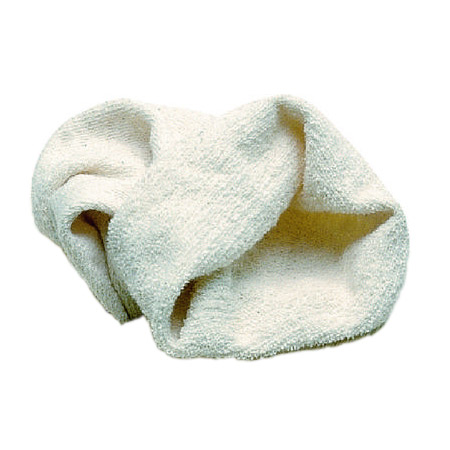
If left for too long, the rosin dust can damage the varnish, making later removal difficult. Therefore, after each practice session or concert, the violin should be cleaned with a cloth. A microfiber cloth or a cotton cloth is suitable for carefully removing dust from the instrument.
PAGANINO Tip: For best results, use two separate cloths: one for the area under the strings that accumulates the most rosin, and another for the rest of the violin’s body. This helps avoid spreading dust across the instrument and ensures you don’t inadvertently cause more harm than good.
The bow stick should also be regularly cleaned with a cloth, as the wood is constantly exposed to rosin dust. Additionally, the violin’s varnish can be occasionally treated with special cleaning and polishing products to remove stubborn, older rosin residues.
A well-maintained varnish also makes it easier to detect any developing cracks at an early stage.

String cleaner
Strings also require regular cleaning to restore their clear and vibrant sound. When cleaning the strings, the cloth should never be squeezed too tightly to prevent any cleaning solution from dripping onto the varnish.
Additionally, a folded absorbent paper can be placed on the violin to protect the varnish. For the care of gut strings, a special string oil is available.
Peg soap
To ensure that the pegs turn smoothly, they should first be cleaned and then rubbed with peg soap. As with the strings, pegs should be treated one at a time to prevent the bridge from shifting or falling.
Chalk serves as a counterpart to peg soap—it helps prevent the pegs from slipping due to string tension. Peg chalk is applied after the compound, and finding the right amount for smooth but stable tuning requires careful experimentation.
Quick Care Checklist
- After each playing session: Wipe the body, strings, and bow stick with a soft cloth (cotton or microfiber).
- Use two cloths: One for the string area, one for the rest of the body.
- Remove rosin: Especially under the bridge – protects the varnish.
- Strings: Use string cleaner carefully (avoid contact with the varnish!).
- Bow: Remove rosin residue from the stick, loosen the hair after playing.
- Pegs: Treat individually with peg compound if needed; optionally, a small amount of chalk for better grip.
- Handle gently: Care for the varnish with appropriate products if necessary, ideally performed by a violin maker.
Back to String Knowledge: The Violin